Best water filtration system for Panama City tap water
Panama City tap water meets EPA standards but still carries hardness, chlorine, and storm-driven contaminants. Here is the filtration setup that actually works here.
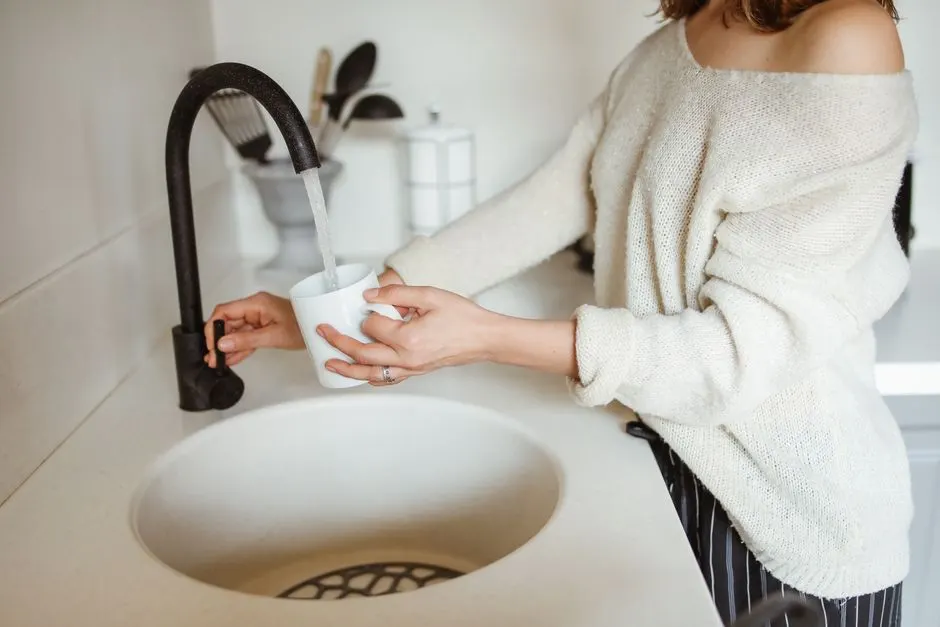
The best water filtration system for Panama City FL tap water is a whole-house carbon and sediment filter paired with an ion-exchange water softener, plus a reverse osmosis unit at the kitchen sink if you want the cleanest drinking water. That combination handles the three things this water throws at you: hardness from the Floridan aquifer, chlorine and disinfection byproducts from treatment, and sediment that surges after heavy rain. This guide breaks down what is actually in your water, what each system does, what it costs in 2026, and how to pick the right setup for your home.
What is the best water filtration system for Panama City FL tap water?
For most Panama City homes, the best setup is a three-stage approach: a whole-house sediment and carbon filter at the main line, a salt-based water softener to pull out calcium and magnesium, and a point-of-use reverse osmosis system under the kitchen sink for drinking and cooking. That is the configuration we install most often because it solves the specific problems this water creates.
Panama City pulls its drinking water from the Floridan aquifer and from Deer Point Lake, depending on the season and demand. Aquifer water is naturally hard - we routinely measure 7 to 12 grains per gallon in homes across Bay County. Lake water carries more organic material and requires heavier chlorination, which is why chlorine taste shows up more in late summer and fall. A single pitcher filter cannot address hardness or the volume of water moving through your whole house.
If you want the short answer: whole-house carbon filtration plus a softener is the baseline. Add reverse osmosis at the sink if you drink tap water. Skip the combination if your only complaint is taste and you live alone - an under-sink carbon filter will do the job for a fraction of the cost.
Homeowners across the region call us for this work alongside general Plumbing Panama City FL service, and the questions are always the same: what do I actually need, and what does it cost?
Is Panama City tap water safe to drink in FL?
Yes, Panama City tap water meets all EPA primary drinking water standards, but meeting the legal minimum is not the same as being free of hardness, chlorine byproducts, or the sediment that shows up after storms. The city publishes an annual consumer confidence report, and the numbers consistently fall within federal limits for lead, copper, nitrate, and disinfection byproducts.
What the report does not measure is how that water behaves inside your pipes. Hard water leaves scale in your water heater, reduces flow through fixtures, and shortens the life of your dishwasher and washing machine. Chlorine does its job killing bacteria at the treatment plant, but it also dries out skin and leaves an odor in drinking water. Those are the reasons people here filter - not because the water is unsafe, but because it is hard and heavily treated.
One more thing: the water leaving the plant is not always the water arriving at your tap. Older galvanized and lead-soldered lines in pre-1980 homes across St. Andrews and Cedar Grove can add metals to otherwise clean water. If your home was built before 1985, a filter that targets lead and heavy metals is worth the extra cost.
What contaminants are in Panama City FL tap water?
The contaminants we see most in Panama City FL tap water are calcium and magnesium (hardness), chlorine and chloramine, disinfection byproducts like trihalomethanes, sediment and iron from aging pipes, and occasional storm-driven turbidity. Here is what each one means for your home.
- Hardness (7-12 gpg): The single biggest issue. It scales your water heater, spots your glassware, and makes soap less effective.
- Chlorine and chloramine: Added at the plant. You taste and smell it, and it strips moisture from skin and hair.
- Trihalomethanes (THMs): A byproduct of chlorination. Regulated, but worth reducing if you drink a lot of tap water.
- Sediment and iron: Common in homes with older galvanized supply lines. Shows up as brown water after the city flushes hydrants or after heavy rain.
- Turbidity: Spikes after tropical storms. Not a health threat on its own, but it clogs filters and makes water look cloudy.
We test for all of these on-site before recommending anything. A $30 test strip from a hardware store tells you hardness and chlorine. It will not tell you about lead or THMs, which is why we run a full panel when a customer is serious about filtration.
Whole house water filter vs. under-sink vs. pitcher: which fits your home?
A whole house water filter treats every drop entering your home, an under-sink system treats only the kitchen tap, and a pitcher filter treats a quart at a time. The right choice depends on whether your problem is whole-home (hardness, chlorine in the shower) or drinking-water-only (taste, lead).
Whole house water filter Panama City
This is the right call when hardness is above 7 gpg or when you notice chlorine smell in the shower. A whole-house carbon and sediment filter sits on the main line and protects every fixture, appliance, and pipe. Pair it with a softener and you stop scale before it starts. Most of our customers in Lynn Haven and Springfield choose this route because their water heaters were failing early from scale buildup.
Under-sink reverse osmosis
RO removes 95-99% of dissolved solids, including lead, arsenic, and THMs. It wastes some water - typically 3 to 4 gallons for every gallon produced - and needs a filter change every 6 to 12 months. If you only care about what you drink and cook with, this is the most cost-effective option.
Pitcher and faucet-mount filters
Fine for taste and chlorine. Useless for hardness. A pitcher filter costs $30-$50 and replacement cartridges run $8-$15 each. If your only complaint is that the water tastes like a swimming pool, start here. If your shower head is crusting over, a pitcher will not help.
Do you need a water softener and filter combo in Panama City?
If your water tests above 7 grains per gallon - and most of Bay County does - yes, you need both. A filter alone removes chlorine and sediment but leaves the calcium and magnesium that destroy your water heater and appliances. A softener alone removes hardness but does nothing for chlorine or taste.
The combo works because each piece handles a different problem. The filter goes first, catching sediment and chlorine before they reach the softener resin. The softener then exchanges calcium and magnesium for sodium. If you want drinking water on top of that, add RO at the sink.
We install these systems as part of our Water Filtration System Installation Panama City FL service, and we also handle the softener side through our Water Softener Installation and Repair Panama City FL work. Most homes need both, and we size the equipment to your actual water test, not a generic chart.
One number worth knowing: a tank-style water heater in hard water lasts 6 to 8 years. With a softener, that stretches to 12 to 15. That alone often pays for the system.
How much does a water filtration system cost in Panama City FL?
Typical 2026 pricing in this area runs $1,200 to $2,500 for a whole-house carbon and sediment filter installed, $1,800 to $3,500 for a softener installed, and $400 to $900 for an under-sink reverse osmosis system. A full combo - whole-house filter, softener, and RO at the sink - usually lands between $3,500 and $6,500 depending on home size, pipe layout, and whether we need to run new lines.
Here is a rough breakdown:
- Whole-house sediment and carbon filter: $1,200-$2,500 installed
- Water softener (32,000-48,000 grain): $1,800-$3,500 installed
- Under-sink reverse osmosis: $400-$900 installed
- Annual filter and salt cost: $150-$400 depending on system size and household water use
We quote the whole job upfront, including the water test, so you know the number before we start. If you are also dealing with aging supply lines, we can fold in Pipe Replacement Panama City FL at the same visit - old galvanized pipe will undo a lot of what a good filter does.
Common mistakes we see with DIY water filtration
The most common mistake is buying a filter before testing the water. People spend $300 on a carbon system, then wonder why their shower head still crusts over - because the problem was hardness, not chlorine.
Other mistakes we see regularly:
- Sizing the softener wrong. A 24,000-grain unit in a four-person household regenerates every two days and wears out fast. Match grain capacity to household size and hardness.
- Skipping the bypass valve. Without one, you cannot isolate the system for repairs or flush the lines without shutting off the whole house.
- Installing the filter after the softener. Sediment then clogs the resin bed. Filter goes first, always.
- Forgetting the outdoor spigots. You do not want to soften water for the lawn. A properly plumbed bypass for hose bibs saves salt and money.
- Ignoring the water heater. If your heater already has 5 years of scale in it, a new softener will not undo the damage. Flush or replace the heater at the same time.
We have walked into homes in Callaway and Parker where a homeowner installed three different filters in series and still had hard water. The fix was a $40 water test and the right equipment.
When to call a professional
Call a professional when your water test shows hardness above 7 gpg, when you see scale on fixtures, when your water heater is more than 8 years old, or when you are on a well and need a system sized for your pump and pressure tank. Those are the situations where guessing costs more than hiring.
We handle the whole job: water test, system sizing, installation, and the plumbing changes that make it work. If your home has older galvanized lines, we can replace them at the same time so the filter is not fighting rust downstream. We also service and repair existing systems - softeners that stopped regenerating, RO membranes that need changing, filters that were never bypassed correctly.
If you are in one of the older neighborhoods along the bay, we do this work regularly as part of our Plumbing in St. Andrews service, where 1950s and 1960s homes often need pipe upgrades before filtration makes sense.
Frequently Asked Questions
What is the best water filtration system for Panama City FL?
A whole-house carbon and sediment filter paired with a water softener, plus reverse osmosis at the kitchen sink. That setup handles hardness (7-12 gpg here), chlorine, and sediment. If you only care about drinking water, an under-sink RO system alone runs $400-$900 installed.
Is Panama City tap water safe to drink in FL?
Yes. It meets all EPA primary standards for lead, copper, nitrate, and disinfection byproducts. The issues are secondary: hardness that scales your plumbing, chlorine taste, and sediment after storms. Those are aesthetic and equipment concerns, not health violations.
Do I need a whole house water filter in Panama City FL?
If your hardness tests above 7 gpg or you smell chlorine in the shower, yes. Most Bay County homes fall into that range. A whole-house filter protects every fixture and appliance. If your only issue is drinking water taste, an under-sink filter is enough.
How much does a water filtration system cost in Panama City FL?
In 2026, expect $1,200-$2,500 for a whole-house filter installed, $1,800-$3,500 for a softener, and $400-$900 for under-sink RO. A full combo runs $3,500-$6,500. Annual filter and salt costs add $150-$400.
What contaminants are in Panama City FL tap water?
Calcium and magnesium (hardness), chlorine and chloramine, trihalomethanes from disinfection, and sediment or iron from older pipes. Homes built before 1985 may also see lead from soldered joints. A full water test identifies which ones affect your house.
Get help with Plumbing in Panama City
We test your water, size the right system, and install it so it actually solves the problem - no guesswork, no generic kits. If you are tired of hard water, chlorine taste, or a water heater that keeps failing early, call us at (850) 726-2055 and we will get you a straight answer and an upfront price.